








Drip irrigation tape manufacturing requires coordinated control of extrusion, dripper placement, cooling, punching and winding. For manufacturers planning a new drip tape production line, understanding each stage helps identify the equipment configuration needed for the target tape specifications and production capacity.
In this guide, we explain the main stages of the drip irrigation tape manufacturing process, the role of key production equipment, and the production factors that influence finished tape quality.
1. Overview of the Drip Tape Manufacturing Process
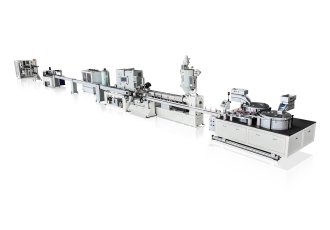
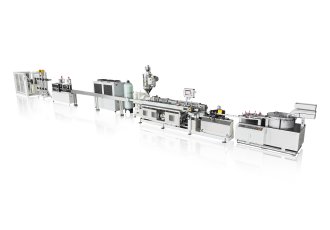
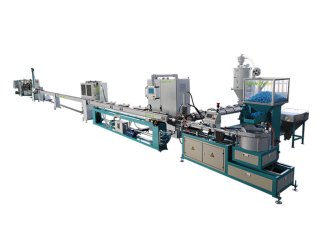
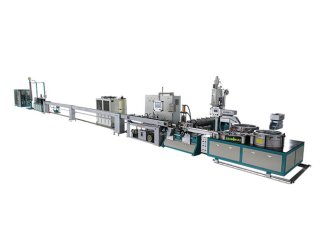
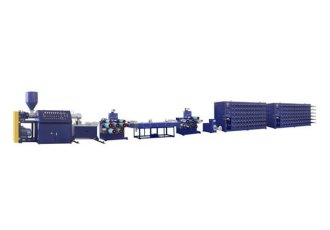
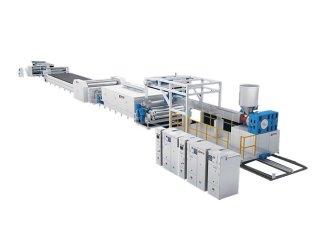
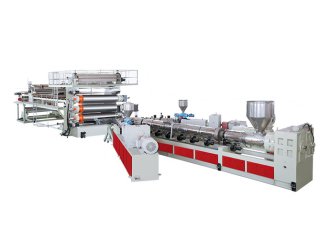
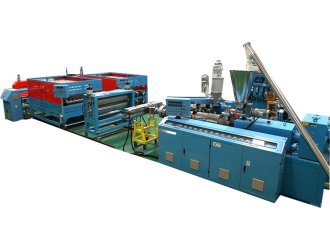
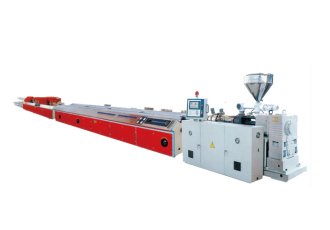
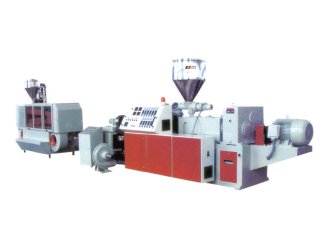
A typical drip irrigation tape production process includes material feeding, plastic extrusion, tape forming, dripper integration where applicable, cooling, outlet punching, traction and winding. The exact sequence and equipment arrangement depend on the tape design and production method.
During production, the extrusion system forms the tape body, while the relevant dripper feeding or integration unit establishes the required emitter arrangement. Cooling stabilizes the tape dimensions, and the punching and winding systems prepare the tape for subsequent inspection, packaging and delivery.
Manufacturers should define the required tape diameter or width, wall thickness, emitter spacing, flow rate, operating pressure and roll length before finalizing the line configuration.
2. Raw Material Preparation
Polyethylene (PE) is widely used in drip tape manufacturing. The selected resin grade and formulation should match the intended tape design, processing conditions and application requirements.
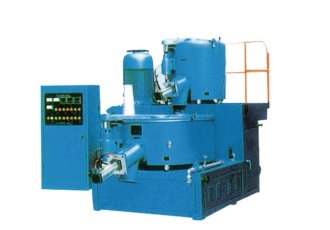
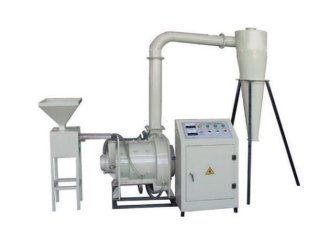
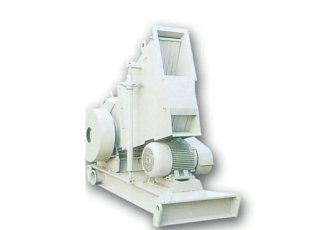
Material preparation involves checking the resin specification, ensuring consistent feeding and following the recommended processing conditions. Where recycled material or additives are used, their suitability should be evaluated for the target product and required quality level.
Inconsistent raw materials can affect melt flow, wall thickness, dimensional stability and the mechanical properties of the finished tape. Stable feeding and appropriate extrusion settings are therefore important parts of a reliable manufacturing process.
3. Extrusion and Tape Forming
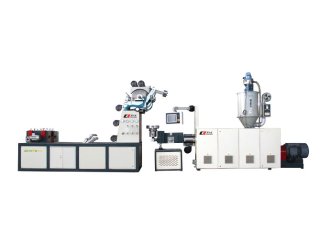
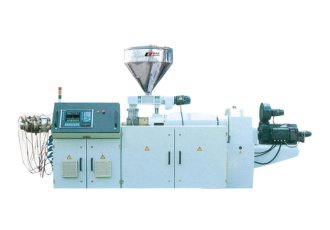
The extruder melts and conveys the PE material through the extrusion die to form the tape body. The die design and process settings influence the dimensions and uniformity of the extruded tape.
During operation, manufacturers need to coordinate melt temperature, extrusion output, screw speed and haul-off speed. These parameters should be adjusted according to the material, tape dimensions and target production rate.

A properly configured drip tape extrusion line helps maintain a stable production process. However, achievable output and dimensional accuracy depend on the complete line configuration, product specifications and operating conditions.
4. Dripper Integration and Spacing Control
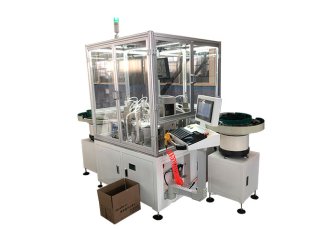
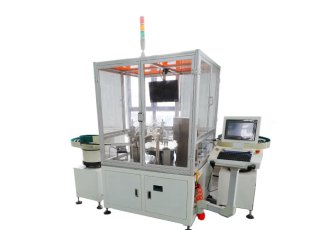
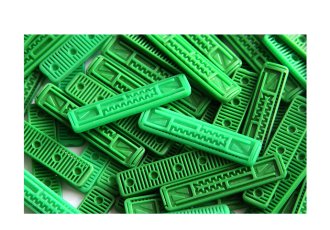
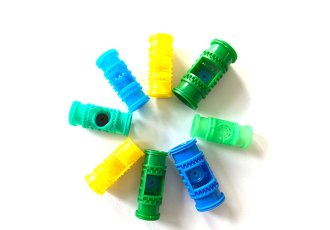
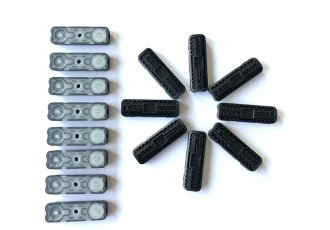
Dripper integration depends on the type of drip irrigation tape being manufactured. For in-line emitter tape, the production system may include dripper sorting, feeding, positioning and integration equipment.
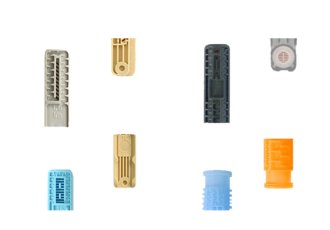
Consistent emitter positioning is important because the spacing and characteristics of the drippers determine the intended water delivery pattern. The production line must be configured for the specified dripper dimensions, spacing and product design.
Before selecting a machine, manufacturers should confirm the compatible dripper type, required spacing range and intended finished tape specifications with the equipment supplier.
5. Cooling and Dimensional Control
Cooling stabilizes the extruded tape after forming. Depending on the line design, cooling equipment and sizing components help the tape reach the required dimensions before downstream processing.
Cooling conditions, line speed and haul-off tension need to work together. Poor coordination may contribute to dimensional variation, deformation or unstable feeding into downstream units.
For manufacturers targeting thin-wall drip tape, monitoring dimensional consistency throughout production is particularly important. The required tolerances should be established according to the finished product specifications.
6. Hole Punching and Outlet Accuracy
Depending on the drip tape design, the production line may use mechanical punching, laser punching or another specified outlet-forming method. The appropriate method depends on the tape structure and manufacturing requirements.
Outlet position and opening consistency are important to the intended water delivery performance. Punching speed must be coordinated with the tape speed and required outlet spacing to maintain accurate positioning.
Manufacturers should confirm the required punching method, outlet dimensions, spacing range and production speed when discussing a drip irrigation tape making machine.
7. Winding and Roll Length Control
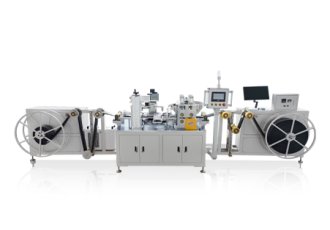
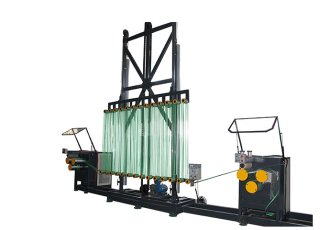
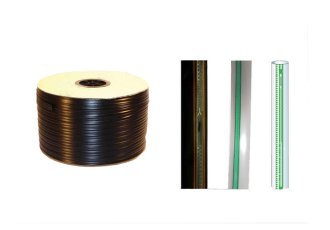
After the relevant forming and punching operations, the drip tape passes through the traction and winding section. The winding system collects the tape into rolls for handling, packaging and transport.
Winding tension, roll arrangement and length measurement affect the consistency of the finished rolls. Depending on the equipment configuration, the winding unit may provide automatic length measurement, cutting, roll changeover or unloading functions.
These functions are not identical across all machines. Manufacturers should specify the required roll length, roll format and preferred level of automation when selecting drip tape winding equipment.
8. Key Factors Affecting Drip Tape Quality
Finished drip tape quality depends on the combined performance of the material, extrusion process, dripper system, punching equipment and winding unit. Checking only the output speed is not sufficient when evaluating a production line.
● Dimensional consistency: Check tape diameter or width and wall thickness against the specified tolerances.
● Dripper positioning: Verify emitter spacing and placement according to the product design.
● Outlet quality: Inspect outlet position and opening consistency where punching is used.
● Water delivery performance: Test flow rate and pressure performance using an appropriate product inspection procedure.
● Roll consistency: Check roll length, winding tension and roll arrangement.
● Production stability: Evaluate the coordination of extrusion, cooling, traction, punching and winding during continuous operation.
The inspection procedure and acceptance criteria should be established according to the intended product specifications and applicable requirements.

9. Choosing the Right Production Line Configuration
Selecting a drip tape production line starts with the product rather than the machine's advertised speed alone. A suitable configuration should reflect the required finished tape specifications, expected demand and operating conditions.
Before confirming a line configuration, consider the following:
● Finished tape specifications: Define the diameter or width, wall thickness, emitter spacing and required flow characteristics.
● Production capacity: Establish the target output and evaluate the speed achievable for the intended tape dimensions.
● Dripper and punching requirements: Confirm the compatible emitter design and outlet-forming method.
● Winding requirements: Specify roll length, roll format and the required automation functions.
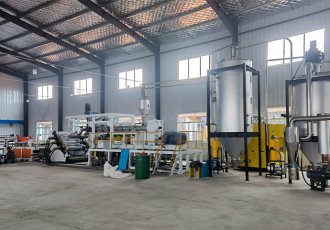
● Factory conditions: Review available installation space, power supply, cooling utilities and operator requirements.
If you are still evaluating machine options, read our related guide: How to Choose a Drip Irrigation Tape Production Line for Your Factory. It covers the main considerations for comparing production line options before making an equipment investment.
Xindacheng manufactures plastic extrusion equipment for irrigation applications. The appropriate line configuration should be confirmed according to the customer's product specifications and production goals.
10. Frequently Asked Questions
What are the main stages of drip tape manufacturing?
The main stages generally include raw material feeding, extrusion and forming, cooling, dripper integration where applicable, outlet punching, traction and winding. The precise arrangement depends on the tape design and production line configuration.
What factors affect drip tape production line output?
Output depends on the extruder capacity, tape dimensions, material formulation, cooling performance, dripper integration requirements, punching speed and winding system. The actual production rate should be confirmed for the intended product specifications.
Can one drip tape production line manufacture different specifications?
The available product range depends on the machine design, extrusion die, dripper system, punching equipment and winding configuration. Confirm the supported dimensions and required changeover components with the manufacturer before purchasing.
Why is winding equipment important in drip tape manufacturing?
Winding equipment collects the finished tape into rolls with the required length and arrangement. The appropriate winding configuration helps coordinate downstream handling with the output of the production line.
What information should I provide when requesting a quotation?
Useful information includes the target tape dimensions, wall thickness, dripper type and spacing, required output, roll length, raw material formulation and factory utilities. These details help the equipment supplier evaluate the appropriate line configuration.
Discuss Your Drip Tape Production Requirements
Planning a new drip irrigation tape manufacturing project or upgrading an existing production line? Share your target tape specifications, required output and winding preferences with Xindacheng. Our team can review your requirements and discuss a suitable equipment configuration.
