








With global demand for drip irrigation systems rising, manufacturers are under increasing pressure to deliver high-quality drip tape at competitive prices. However, energy consumption, maintenance issues, and production inefficiencies can significantly impact profitability.
In modern extrusion-based production, energy and maintenance together account for a large portion of operational costs, making them the two most critical areas for optimization.
For companies investing in a drip irrigation tape production line, improving efficiency is no longer optional—it's a competitive necessity.
1. Energy Consumption: The Largest Hidden Cost
Energy is one of the biggest cost drivers in drip tape production, especially in continuous extrusion processes.
Where Energy Is Consumed
-- Extruder heating systems
-- Screw motor operation
-- Cooling and vacuum calibration systems
-- Air compressors and auxiliary equipment
Studies and industry cases show that upgrading to advanced extrusion systems can achieve:
-- Up to 25% reduction in energy consumption
-- Significant efficiency gains through optimized heating and motor systems
How to Reduce Energy Costs
1. Use High-Efficiency Extruders
-- Servo motors instead of traditional motors
-- Optimized screw design to reduce load
-- Insulated heating systems to minimize heat loss
2. Optimize Temperature Control
-- Stable barrel temperature reduces energy waste
-- Prevents material degradation and scrap
3. Fix Air & System Leaks
-- Even small leaks can waste thousands of kWh annually
4. Adopt Intelligent Control Systems
-- Real-time monitoring ensures optimal energy usage
-- Reduces unnecessary power consumption during idle or unstable conditions
Result: Lower electricity bills + more stable production output

2. Maintenance Costs: The Key to Stable Production
Unplanned downtime is one of the most expensive problems in drip tape production.
Advanced extrusion lines demonstrate:
-- Up to 40% reduction in unplanned downtime
-- Around 20% lower maintenance costs with predictive systems
Common Cost Sources
-- Screw and barrel wear
-- Dripper feeding system blockage
-- Heater and sensor failure
-- Cooling system instability
How to Reduce Maintenance Costs
1. Preventive Maintenance Strategy
-- Regular inspection of screws, heaters, and filters
-- Scheduled replacement instead of reactive repair
2. Predictive Maintenance (Smart Factories)
-- IoT sensors monitor vibration, temperature, pressure
-- Detect failures before they occur
3. Use High-Quality Components
-- Durable materials reduce wear frequency
-- Stable dripper feeding ensures continuous operation
4. Reduce Human Error with Automation
-- Automated systems minimize manual intervention
-- Improve consistency and reduce breakdown risk
Result: Less downtime + longer equipment lifespan + consistent quality
3. Automation: The Core of Cost Reduction
Automation directly impacts both energy efficiency and maintenance.
Modern drip tape production lines offer:
-- Centralized control systems
-- One-touch operation
-- Real-time data monitoring
These features lead to:
-- Up to 50% reduction in labor costs
-- More stable production speed
-- Higher product consistency
Additionally, automation improves material efficiency, reducing waste and lowering raw material costs.
4. Material Efficiency: Reduce Waste, Increase Profit
Raw materials (PE/PP) are a major cost component in drip tape manufacturing.
Advanced extrusion technologies can:
-- Reduce material usage by up to 20% without compromising quality
-- Improve dosing accuracy
-- Minimize scrap and defects
Result: Lower material cost per meter of drip tape
5. Why Equipment Choice Determines Your Profitability
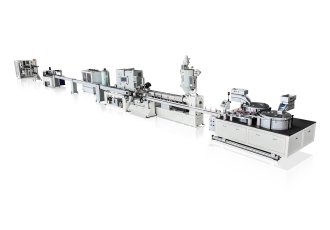
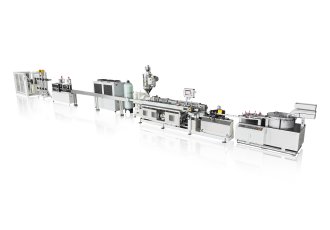
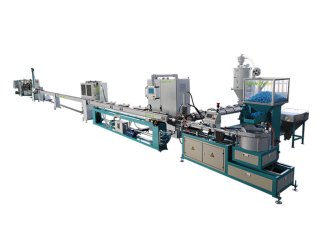
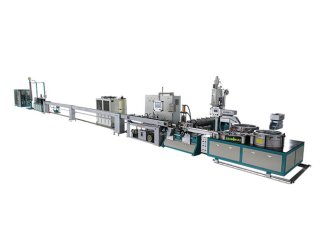
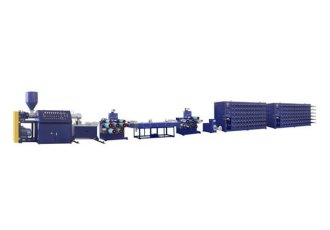
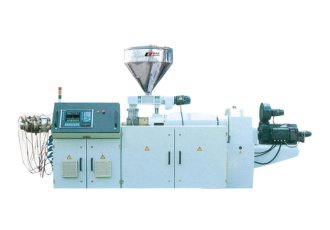
Choosing the right drip irrigation tape production line is the most important decision for long-term cost control.
A high-performance line should include:
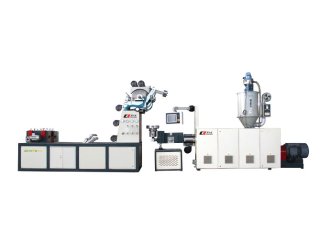
-- Energy-efficient extrusion system
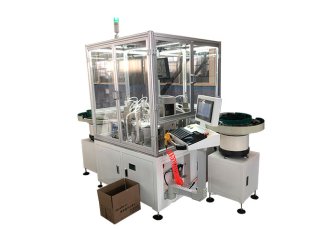
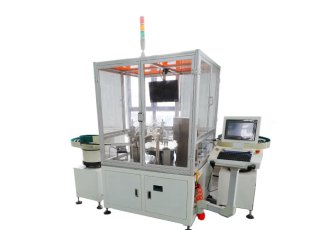
-- Stable dripper feeding and screening unit
-- Intelligent control system
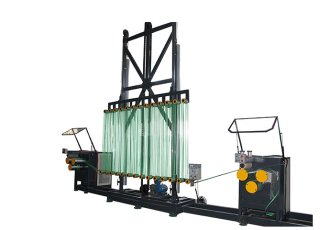
-- High-speed and stable winding system
-- Low-maintenance design
Such systems ensure:
-- Continuous operation
-- Lower energy consumption
-- Minimal downtime
-- Faster ROI
Conclusion: From Cost Control to Competitive Advantage
Reducing operational costs in drip tape production is not about cutting corners—it's about optimizing technology and processes.
By focusing on:
-- Energy efficiency
-- Smart maintenance
-- Automation
-- Material optimization
Manufacturers can achieve:
-- Lower production costs
-- Higher production efficiency
-- Stronger market competitiveness
In the End
Looking to upgrade your drip irrigation tape production line?
Our advanced solutions are designed to help you:
-- Reduce energy consumption
-- Minimize downtime
-- Improve production stability
Contact us today to get a customized solution and cost analysis for your factory.
